

When Cookies Taught Children to Read: A World Baking Day Celebration
There's something quietly magical about the idea of a child learning to read by eating their lessons. Yet that's exactly what happened in seventeenth-century England, where mothers, governesses, and household cooks transformed flour, sugar, and butter into the building blocks of literacy. As we celebrate World Baking Day this May 17th, it's worth remembering that the humble cookie was once one of the most charming educational tools in early modern Europe.
A Kitchen Full of Letters
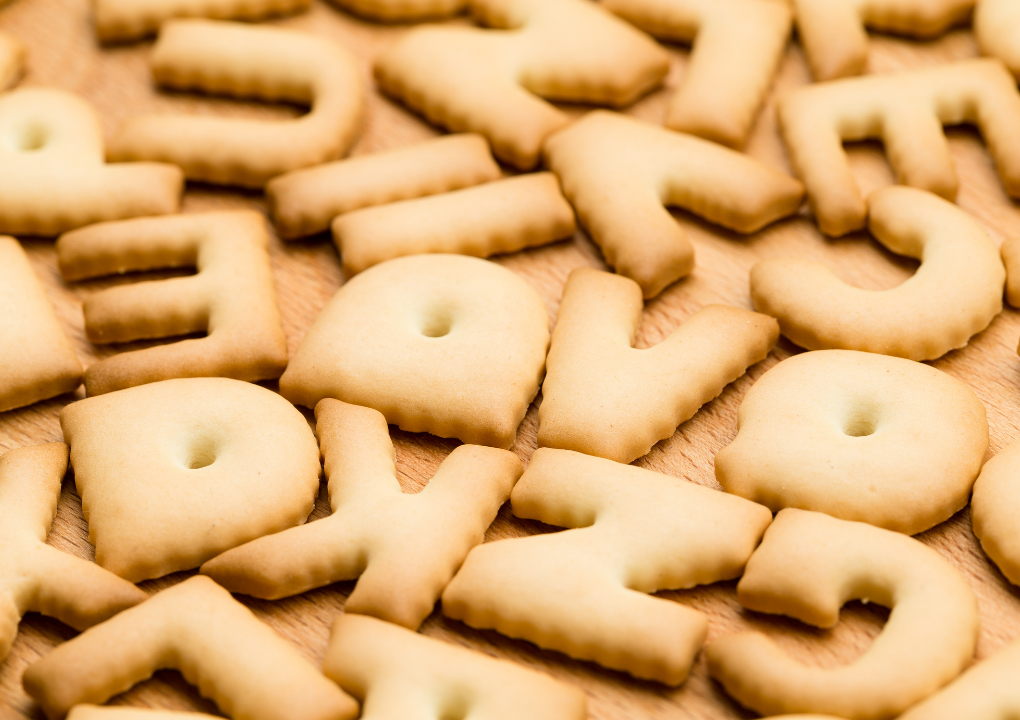
In the 1600s, literacy was far from universal, and it was especially scarce among women and girls. Formal schooling was largely reserved for boys, and even then, only for those from families with means. Yet households still needed to function, recipes still needed to be followed, and the rising middle class increasingly valued the ability to read and write. Into this gap stepped a wonderfully inventive solution: alphabet cookies, also known as "jumbles" or letter biscuits, that doubled as both treats and teaching tools.
Bakers would roll dough into thin ropes and twist them into the shapes of letters, numbers, and even simple words. Children would learn to recognize an "A" by holding it in their fingers, tracing its curves with their eyes, and then, of course, eating it. Reading became something delicious, tactile, and deeply tied to the warmth of the kitchen.
Wendy Wall and the Idea of Kitchen Literacy
The scholar Wendy Wall, in her book Recipes for Thought: Knowledge and Taste in the Early Modern English Kitchen, makes a fascinating argument that has changed how we think about the early modern home. She suggests that the kitchen was not merely a place of domestic labor but a genuine site of knowledge production. Recipes were a form of writing. Following them required reading. Adapting them required experimentation and judgment. The kitchen, in other words, was a kind of laboratory and classroom rolled into one.
Wall's concept of "kitchen literacy" pushes back against the idea that intellectual life happens only in studies and universities. Women who could not attend grammar school were often still navigating complex written recipes, measuring ingredients, interpreting instructions, and passing knowledge down through handwritten household books. Alphabet cookies fit beautifully into this picture. They blurred the line between domestic craft and formal learning, between play and pedagogy, between eating and reading.
A Fashionable Pursuit
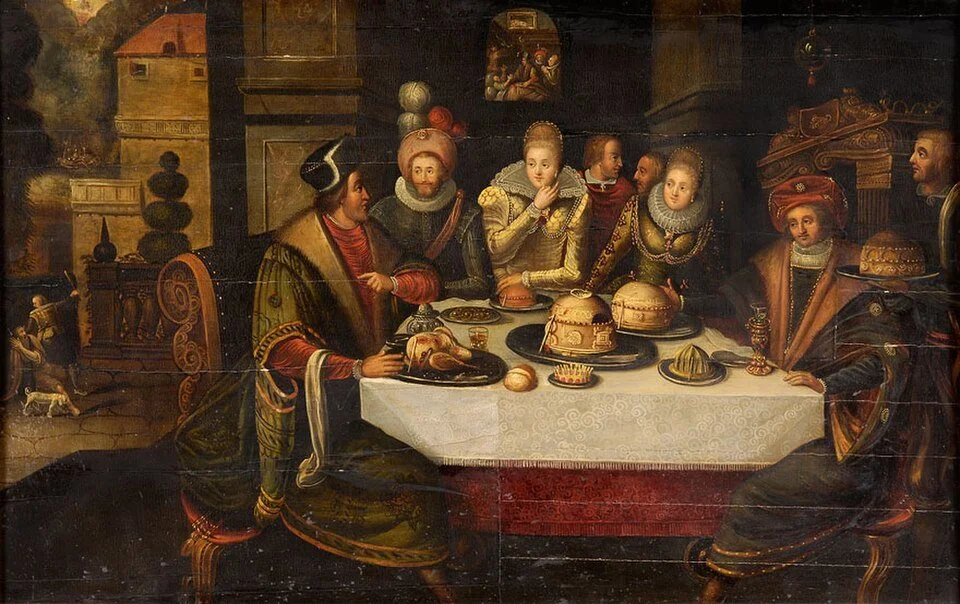
What began as a practical teaching method became, in true seventeenth-century fashion, something of a craze. Letter cookies appeared at tea tables and children's parties among well-to-do families. They were given as gifts, displayed in pretty arrangements, and used to spell out names and short greetings. Cookbooks of the era included instructions for shaping dough into elegant alphabets, and the practice spread across England and into the broader European tradition.
There was a real charm to it. A mother could spell her child's name in biscuits. A grandmother could leave a sweet message on the table. A whole word, eaten letter by letter, became a small ceremony of learning. For a society newly fascinated by print and the power of the written word, edible letters felt like a delightful echo of the books filling shelves and the pamphlets circulating through coffeehouses.
Why This Matters for World Baking Day
World Baking Day invites us to think about what baking really is. Yes, it's flour, heat, and patience. But it's also memory, family, and the passing of knowledge from one generation to the next. The seventeenth-century practice of baking letters reminds us that the kitchen has always been a place where children learn, where parents teach, and where everyday materials become something more than the sum of their parts.
For families today, the tradition offers a beautiful invitation. Why not spend an afternoon rolling out dough and shaping it into the letters of your child's name, or the title of their favorite book, or a short word they're learning to read? You don't need fancy equipment. A simple sugar cookie or shortbread dough, a clean surface, and a little patience are enough. Older children might enjoy spelling out whole sentences or trying their hand at fancier flourishes. Younger ones can simply press their fingers into the dough and watch a letter come to life.
A Traditional Shortbread Recipe to Try
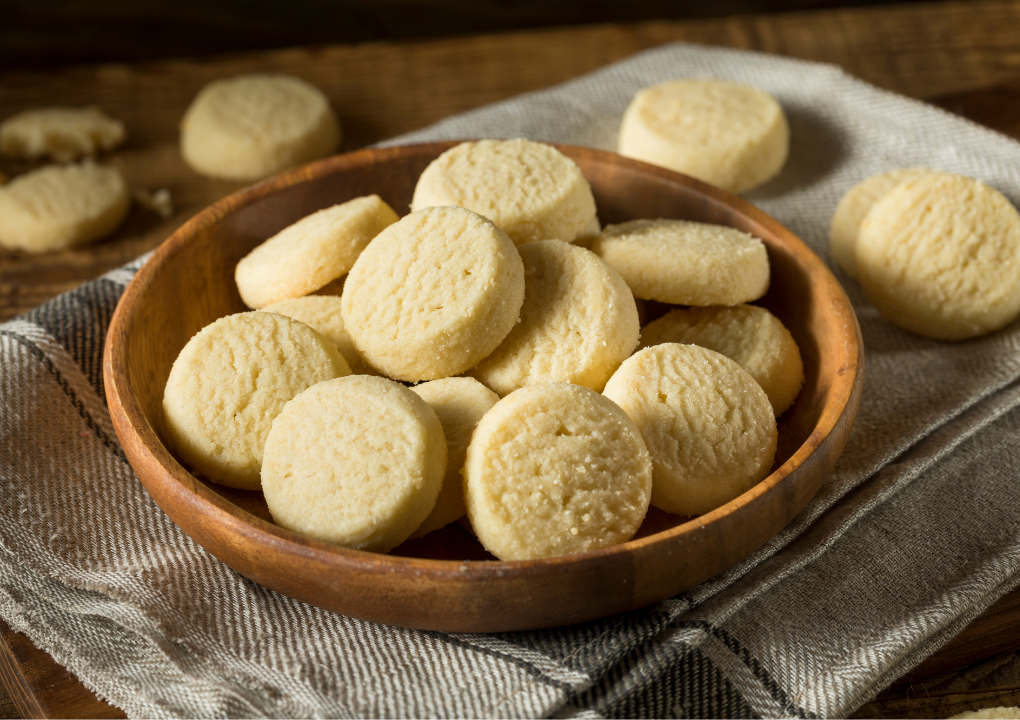
For a dough that holds its shape beautifully and tastes wonderful, try this classic Scottish shortbread recipe from BBC Good Food: https://www.bbcgoodfood.com/recipes/classic-shortbread. It uses just three ingredients (butter, sugar, and flour), which is about as close as you can get to what a seventeenth-century kitchen would have used. Roll the dough into long, thin ropes, then bend and twist them into letters before baking. For a more historical touch, add a teaspoon of caraway seeds or a splash of rosewater to the dough.
Consider turning it into a little game. Spell out a word and have your child read it before they eat it. Bake the letters of a short poem and arrange them on a plate. Write a birthday message in biscuits. The activity is forgiving, the results are charming, and the conversations that emerge around the kitchen table tend to be the kind that families remember for years.
The Sweetness of Learning
There's a reason this small culinary tradition has stayed with us, surfacing in everything from modern alphabet cereal to the letter-shaped cookies sold in tins at the grocery store. It speaks to something true about how humans learn best: through our senses, through play, and through the people we love. The mothers and cooks of the 1600s understood this intuitively. They knew that a letter you can taste is a letter you will remember.
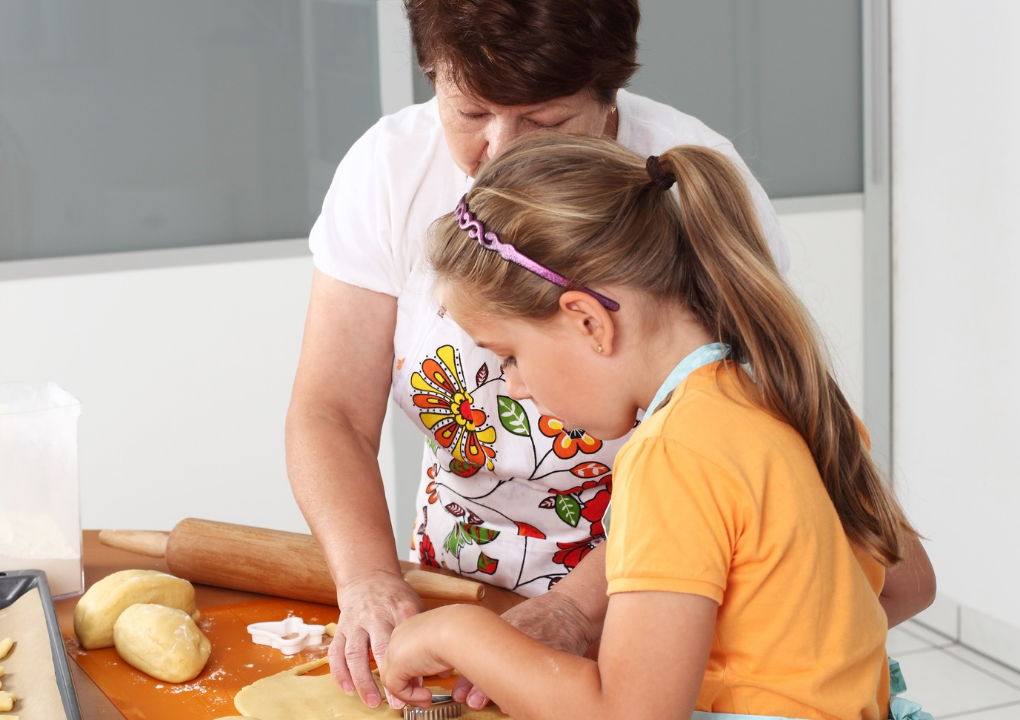
So this World Baking Day, consider preheating the oven, gathering your family, and rolling out a little history. Spell something sweet. Read it together. Then eat it, crumb by delicious crumb. It's a tradition four hundred years in the making, and it tastes just as good today as it did then.